From Meltdowns to Mindfulness: Daily Coping Skills for Kids
Children experience stress in many of the same ways adults do, through school pressure, social challenges, transitions, and big emotions. Mindfulness therapy offers practical, age-appropriate tools that help kids manage stress, regulate emotions, and build resilience in everyday life.
Rather than focusing only on moments of crisis, mindfulness therapy encourages daily coping habits that support emotional awareness and self-regulation.
Why Daily Mindfulness Matters for Kids
Mindfulness helps children learn how to:
Notice feelings without becoming overwhelmed
Calm their bodies when emotions run high
Improve focus and attention
Reduce anxiety and reactivity
Build emotional awareness and self-compassion
These skills are most effective when practiced before stress escalates.
Daily Mindfulness Coping Habits That Work
1. Mindful Mornings: Starting the Day Calm and Focused
How a child starts their morning can shape their entire day. This might include:
Three slow, deep breaths before leaving the house
A simple affirmation such as, “I can handle my day”
Stretching arms overhead or doing gentle movement
Even one minute of intentional calm can help.
2. Name the Feeling: Building Emotional Awareness
Many kids act out because they don’t yet have the words to explain their feelings. Mindfulness teaches children to notice and name emotions without judgment. For example:
“I notice I feel frustrated.”
“My body feels nervous right now.”
“I feel excited and wiggly.”
Naming emotions can reduce their intensity and support regulation.
3. Mindful Breathing Breaks Throughout the Day
Short breathing breaks help reset the nervous system during stressful moments. Kid-friendly breathing ideas include:
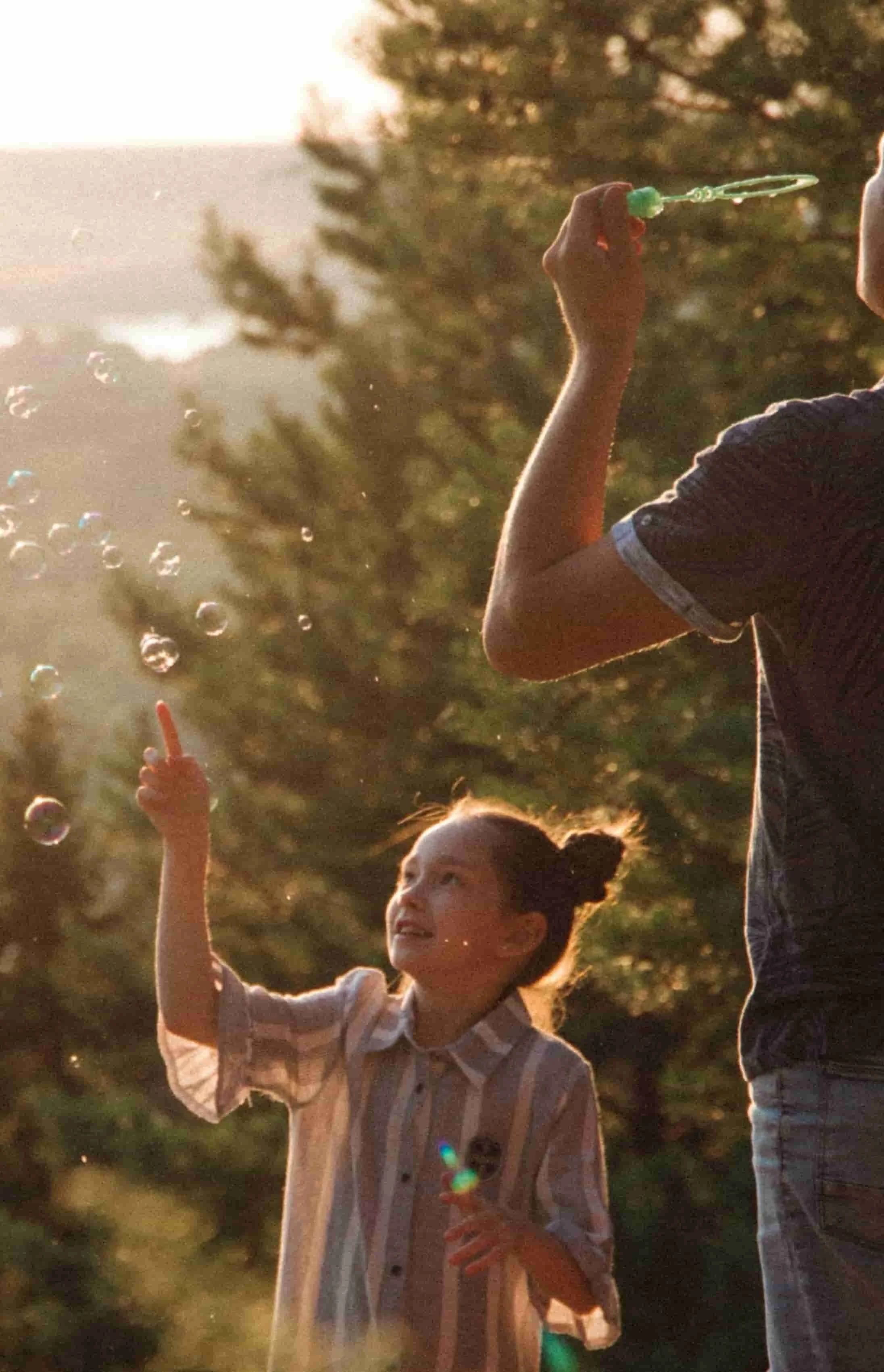
“Smell the flower, blow the bubbles”
Counting breaths to five
Placing a hand on the belly and noticing it rise and fall
Practicing regularly makes breathing easier to use.
4. Grounding Through the Senses
Grounding techniques bring attention back to the present moment. Try the 5–4–3–2–1 method:
5 things you can see
4 things you can touch
3 things you can hear
2 things you can smell
1 thing you can taste
5. Movement as Mindfulness
Mindfulness doesn’t require sitting still. For many kids, movement is the most effective way to regulate emotions. For example:
Gentle yoga
Stretching
Mindful walking
Slow dancing.
Mindful movement helps release built-up energy and improves focus.
6. Gratitude at the End of the Day
Ending the day with gratitude helps shift attention away from stress and reinforces emotional safety. Ask questions like:
“What was one good thing today?”
“What made you smile?”
This habit supports emotional balance and positive thinking.
7. Calm-Down Toolbox
Creating a small “calm-down kit” gives kids a sense of control over their emotions.
Include items such as:
Stress balls
Coloring pages
Sensory toys
Comfort objects
Teach children that using tools is a strength, not a weakness.
A Supportive Note for Parents
Emotional struggles don’t mean your child is failing, they are a normal part of learning how to navigate the world. Mindfulness-based coping habits offer children practical, compassionate tools for managing stress.
This week, try introducing one daily mindfulness habit, whether it’s a breathing break, a grounding exercise, or a gratitude moment. Small, consistent practices can make a meaningful difference.
At Healing Voices Psychotherapy, our mindfulness-informed therapists support children and families in building emotional regulation skills that last. Book a free 15-minute consultation today with one of our registered psychotherapists to learn how mindfulness therapy can support your child’s mental and emotional well-being.