Mindfulness Therapy: A 60-Second Reset for Sudden Anxiety Spikes
Anxiety has a way of showing up without warning. One moment you’re getting through your day, and the next your heart is racing, your thoughts are spiralling, and your body feels on edge.
If this sounds familiar, you’re not alone. At Healing Voices Psychotherapy, we want you to know this first: anxiety is not a personal failure. It’s a nervous system response and it can be gently supported.
Why Anxiety Spikes So Suddenly
Anxiety often shows up quickly because the body reacts faster than the mind.
Stress or past experiences can leave your nervous system on high alert, so even small triggers, such as an email, a conversation, or a sudden change can activate a surge of physical symptoms such as tightness in the chest, shallow breathing, dizziness, or racing thoughts.
Mindfulness therapy helps you notice these reactions without judgment and guide your body back toward a sense of safety. Rather than fighting anxiety, mindfulness invites you to respond differently.
How Mindfulness Therapy Helps
Mindfulness therapy is an evidence-based approach that supports emotional regulation by grounding your attention in the present moment.
Mindfulness helps you reconnect with what is actually happening right now. With the help of our psychotherapists, mindfulness therapy can:
Reduce the intensity and frequency of anxiety spikes
Improve emotional awareness and resilience
Support recovery from chronic stress and trauma
Increase your sense of control during overwhelming moments
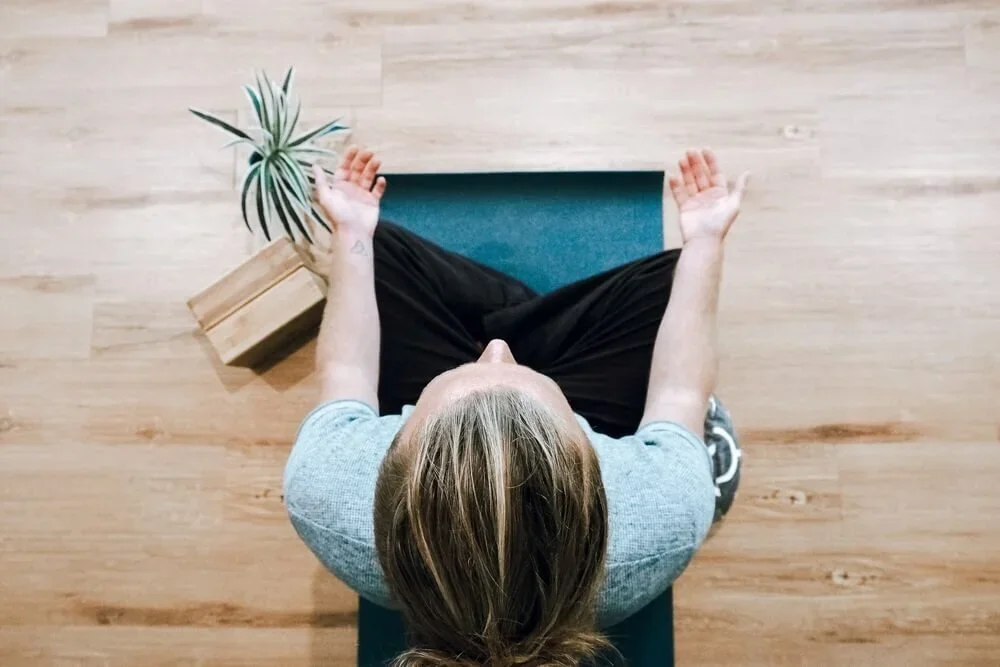
A 60-Second Reset for Sudden Anxiety
At Healing Voices Psychotherapy our psychotherapists use a 60-second mindfulness reset designed to calm your nervous system quickly and gently.
Step 1: Ground Your Body (20 seconds)
Place both feet on the floor. If possible, press them down slightly and notice the support beneath you. Let your shoulders drop.
Step 2: Slow the Breath (20 seconds)
Inhale through your nose for a count of four. Exhale through your mouth for a count of six. Repeat this twice, allowing your breath to lengthen naturally.
Step 3: Name What’s Here (20 seconds)
Silently name three things you can feel in your body; your feet on the floor, your back against the chair, or your hands resting in your lap. No analysis, just noticing.
This brief pause signals safety to your nervous system. You may not feel “calm” immediately, but you are creating space between the anxiety and your response to it.
Mindfulness as Ongoing Support
Mindfulness therapy isn’t about getting a quick fix or eliminating anxiety altogether.
It’s about building a different relationship with it, one rooted in compassion, curiosity, and steadiness. In therapy, mindfulness is often integrated with approaches like CBT and trauma-informed care to help you understand patterns and build those coping skills to feel more grounded in daily life.
Moving Forward This Week
If anxiety is interfering with your work, relationships, or sense of peace, you don’t have to navigate it alone. At Healing Voices Psychotherapy, we offer mindfulness therapy tailored to your unique experiences and goals.
If you’re curious about how mindfulness therapy could support you, we invite you to reach out. You can book a free 15-minute consultation with our therapist Ishara to ask any questions you may have. Together, we can build tools that help you feel more present, resilient, and at ease.