What Does Postpartum Depression Feel Like and When Should I Get Help? Therapy in Bradford
Bringing a baby into the world is often described as joyful, meaningful, and life-changing. But if you are quietly struggling with sadness, anxiety, irritability, numbness, or overwhelm after birth, you are not failing. You are not ungrateful. You are human.
Postpartum depression and postpartum adjustment challenges are more common than many people realize. In a culture that celebrates “bouncing back,” new parents are expected to heal, nurture, and function, often while sleep-deprived and emotionally overwhelmed.
Keeping up in a World that Never Slows Down
In today’s busy world, the pressure can feel relentless. Messages about getting your body back, returning to work, maintaining relationships, and documenting milestones can create an invisible weight. Social media fuels comparison, and even well-meaning advice can feel overwhelming.
What often gets lost is this: your nervous system has been through something profound. Birth, whether smooth or complicated, is a major physical and emotional event. Hormones shift. Identity shifts. Sleep changes. Your internal rhythm changes.
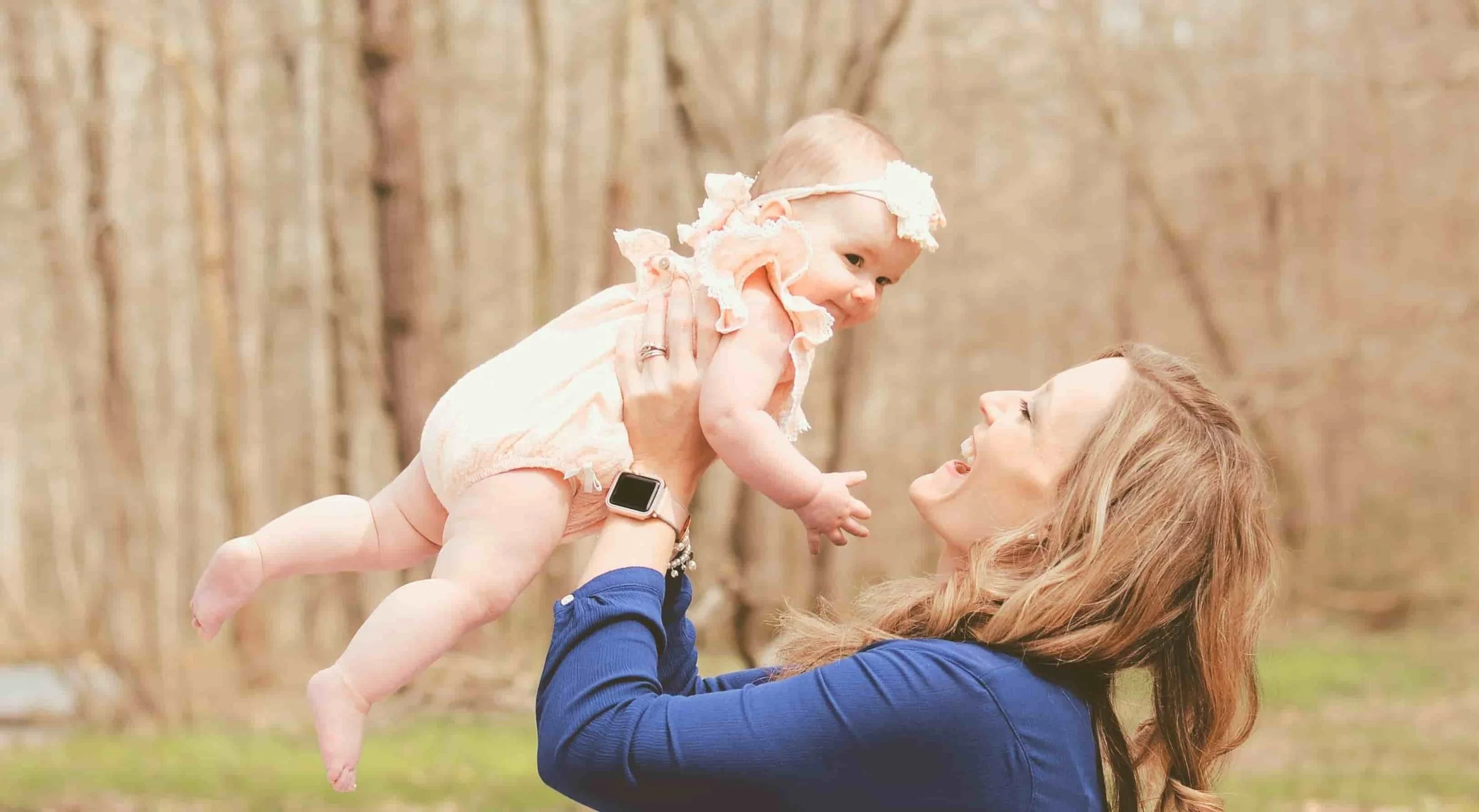
Mindfulness Therapy for Postpartum Adjustment and Depression
When we look at postpartum depression through a mindfulness therapy lens, we begin with compassion rather than correction. Instead of asking, “What’s wrong with me?” we gently ask, “What is my body and mind trying to process right now?”
Postpartum depression may show up as:
Persistent sadness or tearfulness
Feeling disconnected from your baby or partner
Intense anxiety or intrusive thoughts
Irritability or anger that feels unfamiliar
Numbness or difficulty feeling joy from overwhelm
Guilt about not “enjoying every moment”
How can Mindfulness Therapy help?
Mindfulness Therapy does not ask you to pretend everything is fine. It invites you to slow down just enough to notice what is happening inside you without judgement. In a busy world that tells you to push through, mindfulness gently says, pause.
Pause can be as simple as:
Taking three slow breaths while your baby naps
Placing one hand on your chest and one on your belly to feel your breathing
Naming what you are feeling: “This is overwhelming.” “This is exhaustion.”
Allowing tears without trying to stop them
Mindful awareness creates space between the feeling and the story. Instead of “I can’t handle this,” it becomes “This is a hard moment.” That shift reduces shame and builds self-compassion.
Remembering who you were Before Becoming a Parent
In therapy, we explore the identity shift of postpartum life. Who were you before this baby? Who are you becoming now? What support feels missing? Many adults are grieving parts of their previous identity while simultaneously loving their child deeply. Both can exist at the same time.
At Healing Voices Psychotherapy, we gently support your nervous system in moving out of constant fight-or-flight and into steadier ground. We create space for honest conversations about partnership strain, sleep deprivation, and the mental load that often goes unseen.
You Might be Feeling overwhelmed because You're Carrying it on your Own
You do not have to navigate this alone. Healing does not require perfection. It requires support, space, and compassionate witnessing.
If sadness, anxiety, or overwhelm lingers beyond the early weeks, or feels heavier than expected, therapy can help you feel steadier and more connected to yourself.
Book with Healing Voices Psychotherapy
Healing Voices Psychotherapy offers mindfulness-informed therapy to support adults through postpartum depression and the adjustment to life after birth. We move at your pace. We honour your story. We help you rebuild stability from the inside out.
If this resonates with you, we invite you to book a free 15-minute consultation today. You deserve care in this chapter, too.