Goodbye Tears: How CBT Helps Kids Overcome School Drop-Off Anxiety
For many families, school mornings can feel overwhelming. Tears, clinginess, and even a full meltdown at drop-off are common signs that a child is struggling with separation anxiety. While these moments can be stressful for both children and parents, it’s important to know this reaction is developmentally common and highly treatable. Cognitive Behavioral Therapy (CBT) offers practical, evidence-based tools that help children build confidence, manage big emotions, and say goodbye with fewer tears over time.
What Is Separation Anxiety?
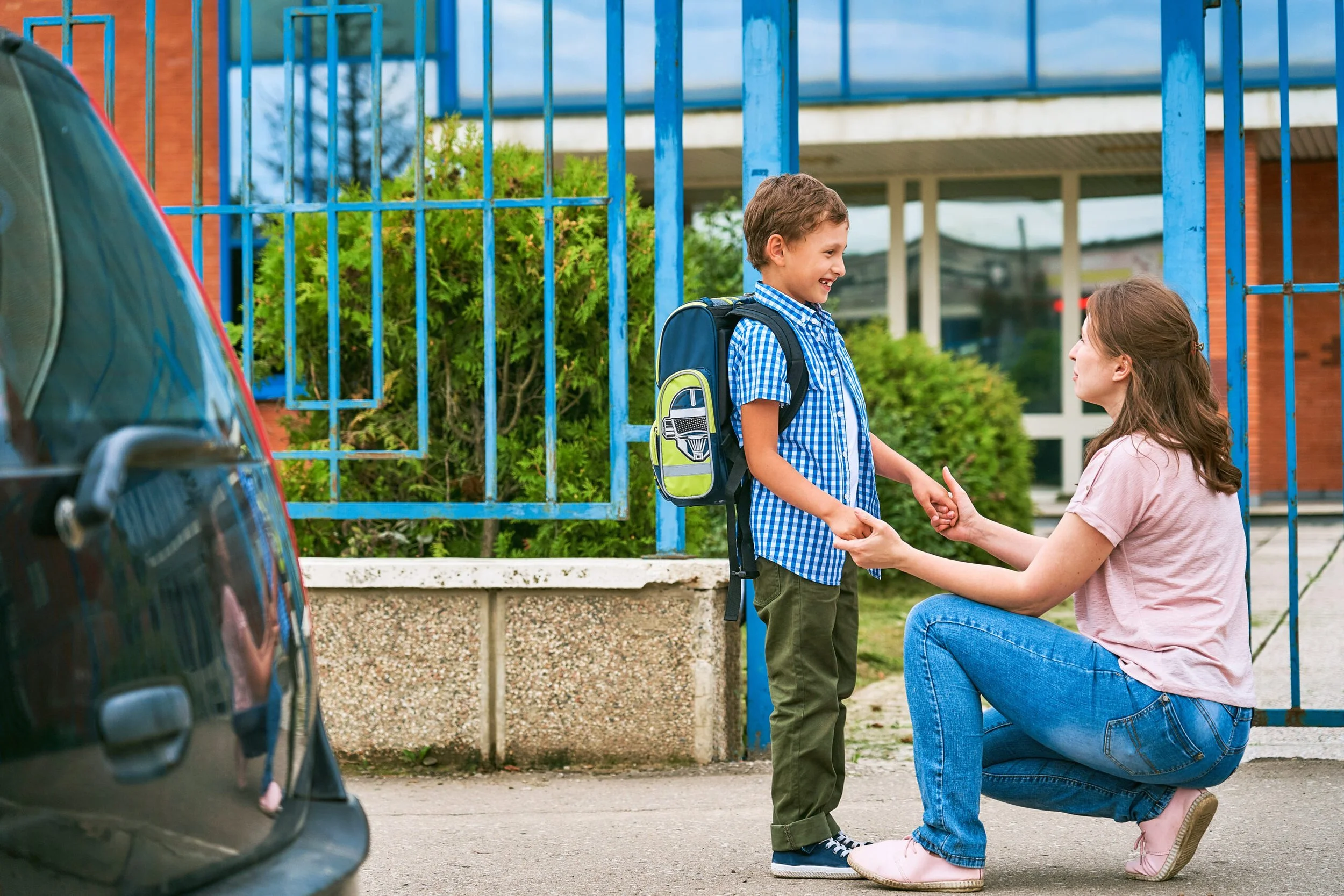
Separation anxiety occurs when a child becomes distressed about being away from their caregiver. During school drop-off, this anxiety often peaks because children are transitioning from a safe, familiar environment to one that feels less predictable. Young children may worry that their caregiver won’t return, that something bad will happen, or that they won’t be able to cope on their own.
This anxiety can show up as avoidance (refusing to enter the classroom), physical complaints, intense reassurance seeking, or emotional dysregulation. While occasional distress is normal, ongoing struggles may signal that a child needs extra support learning how to manage big feelings.
Why Drop-Off Time Is So Hard
School drop-off combines several challenges at once: separation, time pressure, social demands, and new expectations. Children who are still developing emotion regulation skills may feel flooded by fear and uncertainty. Without tools to calm their bodies or challenge anxious thoughts, the nervous system can take over, leading to tears, shutdown, or intense clinginess.
How CBT Helps
CBT focuses on the connection between thoughts, feelings, and behaviors. For children with Separation Anxiety, this means learning skills that help them feel capable, safe, and confident, even when anxiety shows up.
Cognitive Restructuring helps children identify anxious thoughts (like “I can’t do this without my mom”) and gently replace them with more realistic, supportive ones (“I’ve done this before and I was okay”). Over time, this builds resilience and reduces fear-based reactions.
Breathing and other calming techniques support emotion regulation by helping children slow their bodies down. Simple strategies like belly breathing can be practiced at home and used independently at school.
Self-Soothing skills, such as using a calming phrase, sensory object, or visualization—give kids tools to manage distress without immediately seeking reassurance. This is key for building independence.
The Role of Parents
CBT also supports parents in setting clear, compassionate boundaries. While it’s natural to want to eliminate your child’s discomfort, excessive reassurance or lingering at drop-off can unintentionally reinforce anxiety and avoidance. Consistent routines, brief goodbyes, and calm confidence send the message: “You can handle this.”
Parents are also encouraged to notice and praise brave behaviors, no matter how small. Each successful separation strengthens coping skills and confidence.
Long-Term Benefits
As anxiety decreases, children often show growth beyond drop-off. Improved self-management, increased independence, and stronger social skills can emerge as kids feel more secure navigating their world. Most importantly, they learn that anxiety is uncomfortable, but manageable.
Consider Professional Support
Healing Voices Psychotherapy is a virtual psychotherapy clinic offering evidence-based therapy for children and families. Through CBT, kids can learn coping skills, emotion regulation, and self-soothing strategies while parents receive guidance on boundaries and reducing excessive reassurance, all from the comfort of home. Book a free consultation with one of our psychotherapists.