Why Does My Anger Feel Out of Control Sometimes? Therapy in Barrie
Anger and irritability are often misunderstood. Many adults are taught to suppress anger or see it as something “bad,” but anger is actually a normal emotional response. It can show up when stress builds, boundaries feel crossed, or emotional needs go unmet.
The problem is not anger itself. The problem is what happens when it builds up with nowhere to go. For many people, talking about anger right away can feel difficult. This is where guided drawing can become a powerful regulation tool.
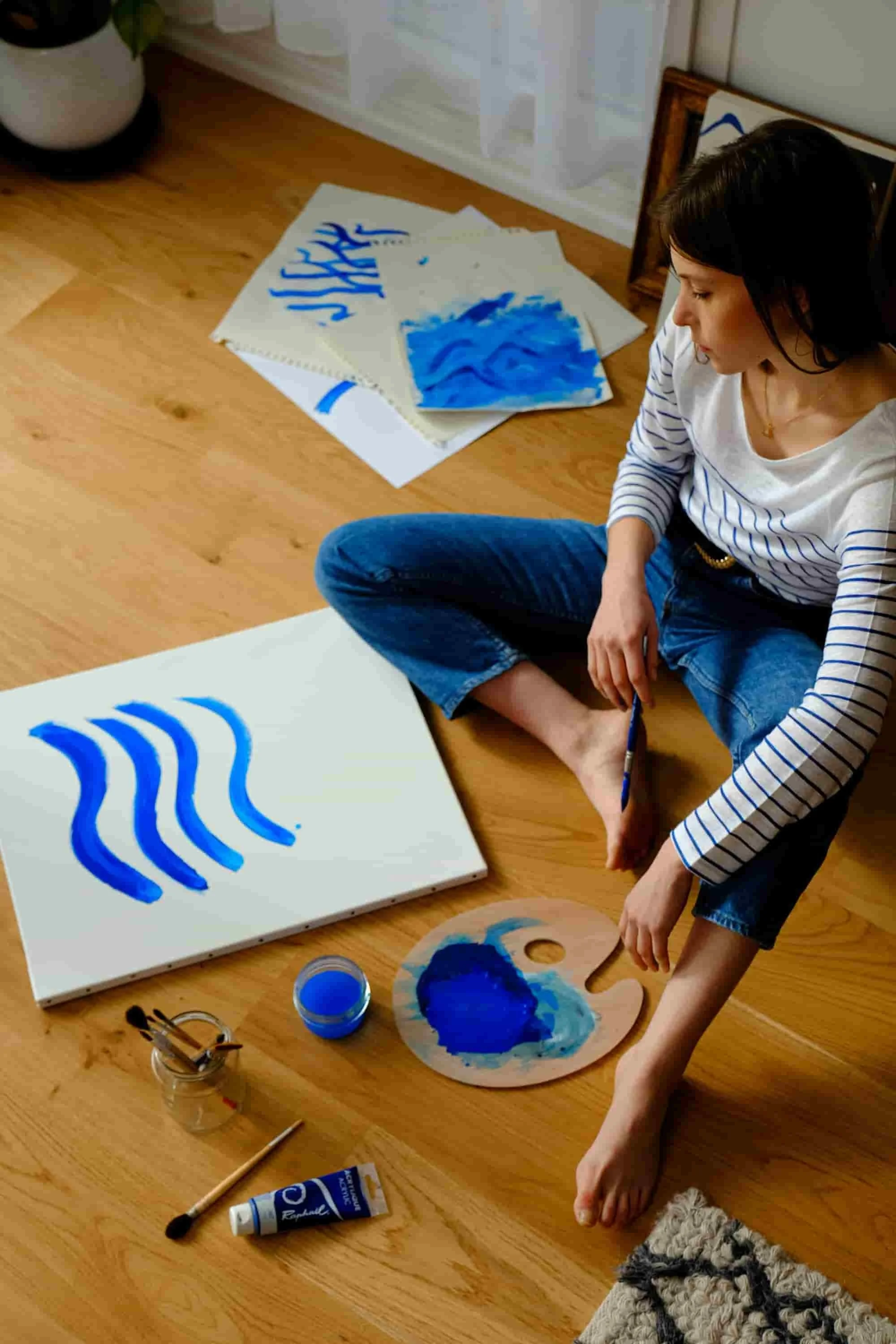
Guided drawing is a simple, creative, body-based tool that allows emotions to be expressed visually instead of only through words. It helps shift attention away from rumination and toward mindful expression.
Why Anger Often Builds Beneath the Surface
Anger rarely appears on its own. It often sits on top of other feelings such as stress, disappointment, exhaustion, or feeling unheard. When these emotions accumulate, the body may respond with tension, irritability, or a short temper.
Physically, anger activates the nervous system. Heart rate increases, muscles tighten, and thoughts can become faster and more reactive. When this happens, logical thinking becomes harder and reactions can feel automatic. Instead of trying to push the emotion down, it gives it a safe place to move.
How Guided Drawing Helps Regulate Anger
Drawing can support emotional regulation because it helps slow the mind and bring attention back to the present moment. The simple act of putting pencil to paper can help reduce overwhelm by engaging movement, sensory awareness, and focus.
Unlike traditional art-making, guided drawing is not about creating something visually appealing. There is no pressure to be artistic. The goal is simply to translate emotion into shapes, lines, and movement.
This process allows anger to be acknowledged without judgment.
Simple Drawing Exercises for Anger and Irritability
These exercises only require paper and a pen or pencil.
The Scribble Release
Set a timer for two minutes. Let your hand move freely across the page without planning what it will look like. Use quick, strong, or messy lines if that reflects how you feel.
As you draw, focus on the physical movement of your hand rather than your thoughts. This can help release tension physically instead of holding it in.
Draw the Emotion
Imagine what your anger might look like if it had a shape or texture. Is it jagged? Heavy? Swirling?
Draw that shape on the page. Once it’s visible, slowly begin to add other lines around it that represent calming, grounding, or space. This can help create distance between you and the emotion.
Breathing Lines
Place your pen on the paper. As you inhale, slowly draw a line upward or outward. As you exhale, draw a line downward or back toward the center.
Repeat this pattern for several breaths. Pairing movement with breathing can help calm the nervous system.
Building a Healthier Relationship With Anger
Anger itself is not the problem. It is a signal that something deserves attention. Learning to regulate anger does not mean ignoring it. It means finding safe and healthy ways to process it. Creative practices like guided drawing offer a simple way to pause, release tension, and gain perspective before reacting.
If anger or irritability feels frequent, intense, or difficult to manage, therapy can provide additional support in understanding the underlying emotions and developing effective coping strategies.
At Healing Voices Psychotherapy, our therapists use guided drawing therapy to help adults regulate emotions and build healthier responses to stress. You can book a free 15-minute consultation to learn how therapy may support you.