When Talking Is Hard: Using Guided Drawing to Help Kids Share Their Feelings
Kids don’t always have the words to explain how they feel. Big emotions like worry, sadness, anger, or confusion often show up through behavior rather than language. When feelings are overwhelming or hard to name, just talking about them isn’t always enough.
Guided drawing therapy offers children a safe, creative way to express emotions, process experiences, and feel understood without the pressure of finding the “right” words.
Why Drawing Helps Kids Communicate Emotions
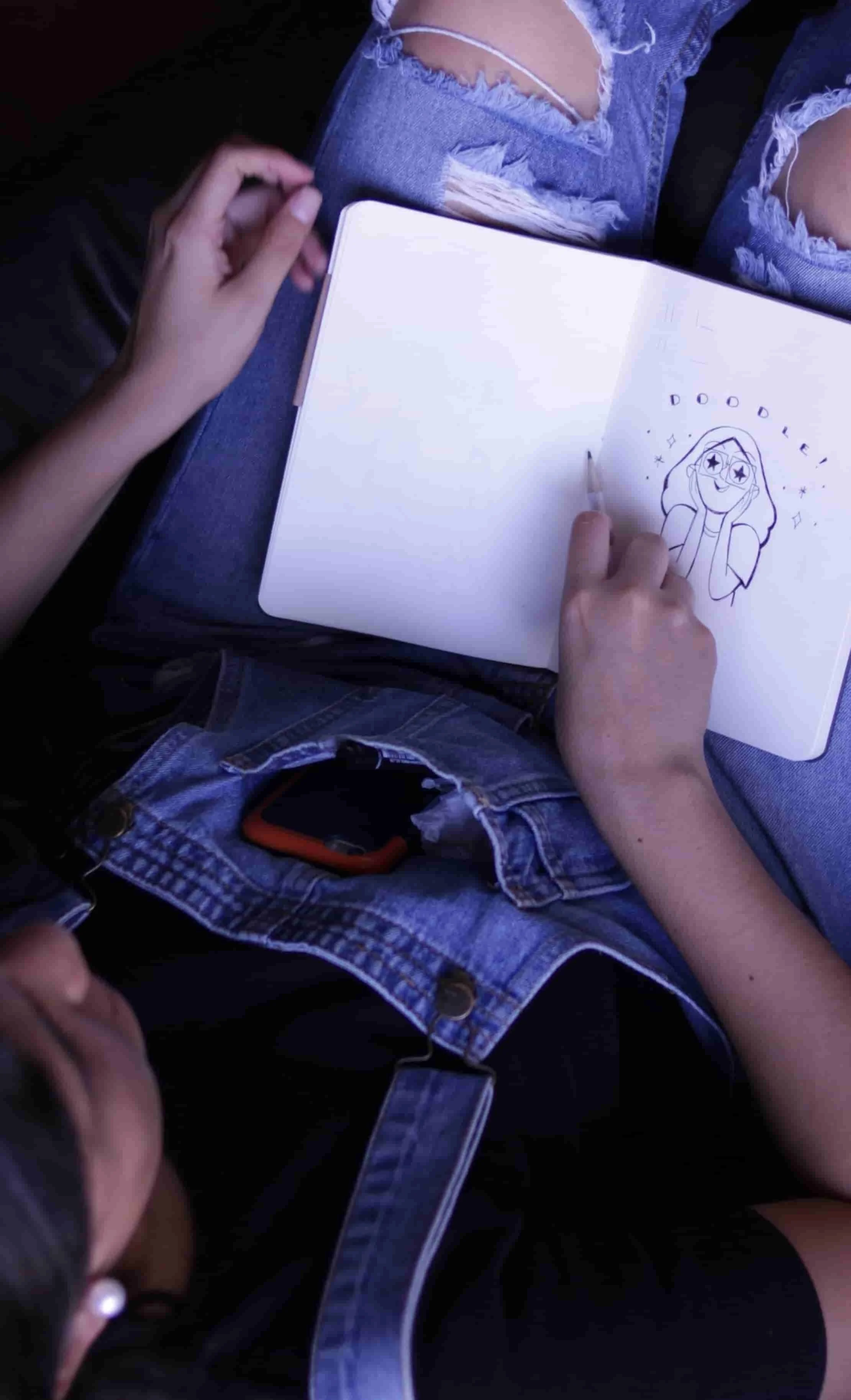
Art engages emotional and sensory parts of the brain, helping kids express feelings before they can explain them verbally.
Guided drawing therapy helps kids:
Externalize emotions in a non-threatening way
Reduce anxiety and emotional overload
Communicate internal experiences safely
Feel validated and seen
There is no expectation of artistic skill, the process matters far more than the final picture.
What Is Guided Drawing Therapy?
Guided drawing therapy combines simple prompts with emotional support from a therapist or caregiver. The guidance provides structure while still allowing the child full control over how they express themselves.
Examples of prompts include:
“Draw what your worry looks like.”
“Draw a place where you feel safe.”
“Draw your feelings using only colors and shapes.”
“Draw what your body feels like when you’re angry.”
The goal isn’t analysis, it’s emotional expression and release.
When Words Feel Hard to Find
Some children struggle to describe emotions due to:
Developmental stage
Trauma or stress
Anxiety or sensory overwhelm
Neurodivergence
Fear of getting in trouble or being misunderstood
Drawing provides emotional distance, making it easier for kids to share difficult experiences at their own pace.
How Guided Drawing Supports Emotional Regulation
Once emotions are on paper, they often feel less overwhelming. Drawing slows the nervous system and creates space for regulation. Therapists might gently ask:
“Can you tell me about this part of your drawing?”
“What do you notice in your body as you look at it?”
“Would you like to change anything to help it feel better?”
These questions encourage curiosity rather than judgment.
Using Guided Drawing at Home
Parents can support emotional expression at home with simple, low-pressure activities.
Helpful tips:
Offer open-ended prompts
Avoid correcting or interpreting the drawing
Reflect what you notice, like “I see lots of red here.”
Validate feelings without trying to fix them
What Guided Drawing Is Not
It is not about creating “good” art
It is not about diagnosing or labeling
It is not about forcing children to talk
Guided drawing creates a bridge between feelings and understanding.
A Supportive Note for Parents
When children struggle to express emotions verbally, it doesn’t mean they’re difficult, it means they need a different language.
Guided drawing therapy offers a gentle, accessible way for kids to share what’s happening inside when words are not enough.
This week, try offering one guided drawing prompt and giving your child space to express themselves creatively. The goal is connection, not perfection.
At Healing Voices Psychotherapy, our therapists use creative, trauma-informed approaches to help children express emotions, regulate their feelings, and feel understood. Book a free 15-minute consultation to learn how guided drawing and child therapy with us to support your child’s emotional well-being in Barrie, Bradford, Collingwood, or Newmarket.