How Can Therapy Help My Child With Anxiety? Child Therapy in Barrie
Anxiety in Children Often Shows Up Without Words
Children don’t always have the language to explain what they feel. Instead, anxiety often shows up through behaviour.
In child therapy, we often see:
Avoidance of situations or environments
Irritability or sudden emotional reactions
Trouble sleeping or constant worry
Physical symptoms like stomach aches
Difficulty separating from caregivers
In child counseling, behaviour is communication. When children cannot verbalize their anxiety, it comes out through actions, emotions, and patterns.
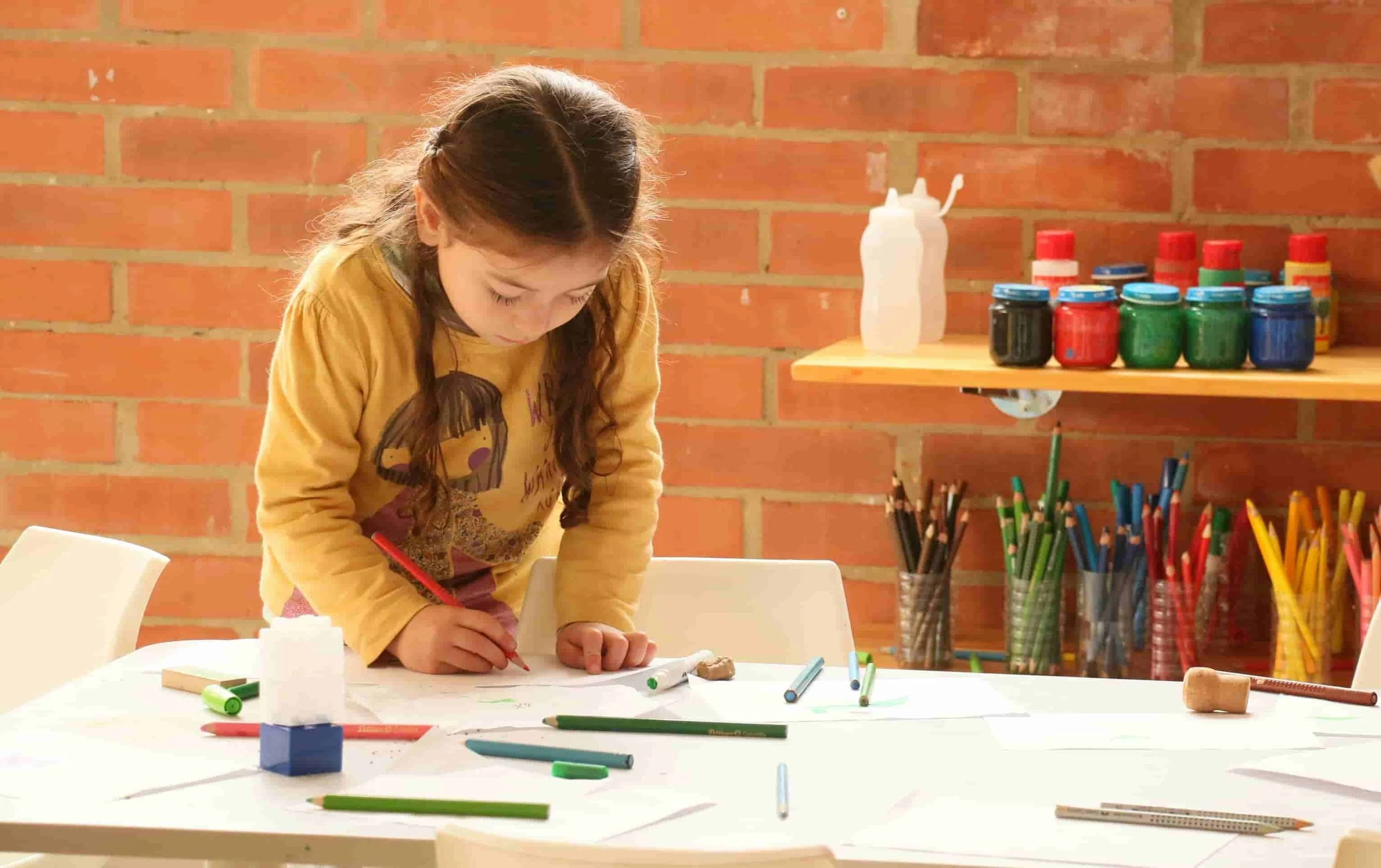
The Guided Drawing Lens in Child Therapy
Guided drawing is a gentle and structured way to help children explore their emotions safely.
A therapist might guide a child with prompts such as:
“What does your worry look like?”
“If your fear had a shape or colour, what would it be?”
“Can you draw what helps your worry feel smaller?”
The focus is not on artistic ability, but on emotional expression.
Through this process, children feel validated and understood, while also giving therapists insight into their experience.
How Guided Drawing Supports Emotional Regulation
Once anxiety is expressed visually, children can work through it more easily.
In child therapy, guided drawing helps children:
Recognize and name emotions
Understand triggers
Practice calming strategies
Build tolerance for uncomfortable feelings
This supports emotional regulation by helping children slow down and connect with what they’re feeling.
Integrating DBT Skills into Child Therapy
At Healing Voices Psychotherapy, guided drawing is often combined with DBT-informed child therapy to support both expression and regulation.
Children learn practical skills such as:
Mindfulness: noticing feelings without becoming overwhelmed
Emotional regulation: calming the body before reacting
Distress tolerance: managing strong emotions in the moment
Validation: understanding that their feelings make sense
Parents are also supported in responding with calm, structure, and emotional attunement, helping reduce escalation and strengthen connection.
When Child Therapy for Anxiety Is Helpful
Your child may benefit from child therapy if you notice:
Persistent worry or fear
Avoidance of everyday situations
Emotional outbursts or shutdown
Difficulty expressing feelings
Increased dependence or separation anxiety
Early support can make a big difference in helping children manage anxiety in a healthy way.
Helping Children Feel Safe in Their Emotions
Children don’t need the “right words” to begin healing. They need safe, supportive ways to express what they feel.
Through guided drawing and child therapy, children can:
Understand and express their fears
Feel validated and supported
Learn emotional regulation skills
Build confidence in managing anxiety
With the right support, children learn that anxiety is something they can move through, not something that defines them.
Book a Free 15-Minute Consultation
If you’re looking for compassionate and effective child therapy in Barrie or across Ontario, we’re here to help. We offer online child therapy to support children experiencing anxiety, emotional overwhelm, and difficulty expressing their feelings. Using guided drawing within a DBT-informed child therapy approach, we help children express fears, regulate emotions, and feel understood without pressure or shame.
Book your free 15-minute consultation today to learn how guided drawing and DBT-informed child therapy can support your child.