What Causes Sensory Overload in Children and How Can I Help? Child Therapy in Barrie
Sensory overload happens when a child’s nervous system receives more input than it can handle. Sounds feel louder, lights harsher, and textures uncomfortable, turning everyday environments into sources of distress. This is especially common in sensitive, anxious, or neuro-divergent children. As overwhelm builds, the body shifts into a stress response, making it harder to think clearly, communicate, or regulate emotions.
Because children often lack the words to explain what’s happening internally, sensory overload shows up through behavior. Meltdowns, withdrawal, irritability, or avoidance are often mistaken for defiance, but they’re actually signs of nervous system overwhelm. Mindfulness-based child therapy focuses on grounding and regulation instead of punishment, helping children feel safe and in control again.
Sensory Overload Isn’t Misbehavior, It’s Nervous System Overwhelm
Overload shows up behaviorally:
Meltdowns
Irritability
Shutting down
Crying
Anger
Running away
In child therapy, these moments are understood as regulation struggles, not discipline problems. When a child is overloaded, they are losing capacity, not choosing chaos.
Why Sensory Overload Happens
Children today are navigating sensory environments that are louder, brighter, faster, and more demanding than ever.
Common sensory triggers include:
Crowded classrooms
Loud cafeterias
Bright fluorescent lighting
Scratchy clothing
Unexpected touch
Strong smells
Rapid transitions between activities
For sensitive or neurodivergent children, the nervous system processes input more intensely. What looks like attention-seeking is often nervous system overload.
What Overload Feels Like From the Inside
When children describe overload in therapy, they often use language like:
“My brain feels buzzy.”
“I want to explode.”
“I can’t hear when people talk.”
“My skin feels mad.”
Sensory overload activates the stress response:
Fight → aggression, yelling
Flight → running away, avoidance
Freeze → shutdown, silence
Grounding becomes essential because thinking skills go offline when the body is overwhelmed.
The Mindfulness Difference in Child Therapy
Without regulation skills, overload can lead to punishment cycles:
Child becomes overwhelmed → Meltdown occurs → Adult responds with discipline → Child feels shame → Overload intensifies next time
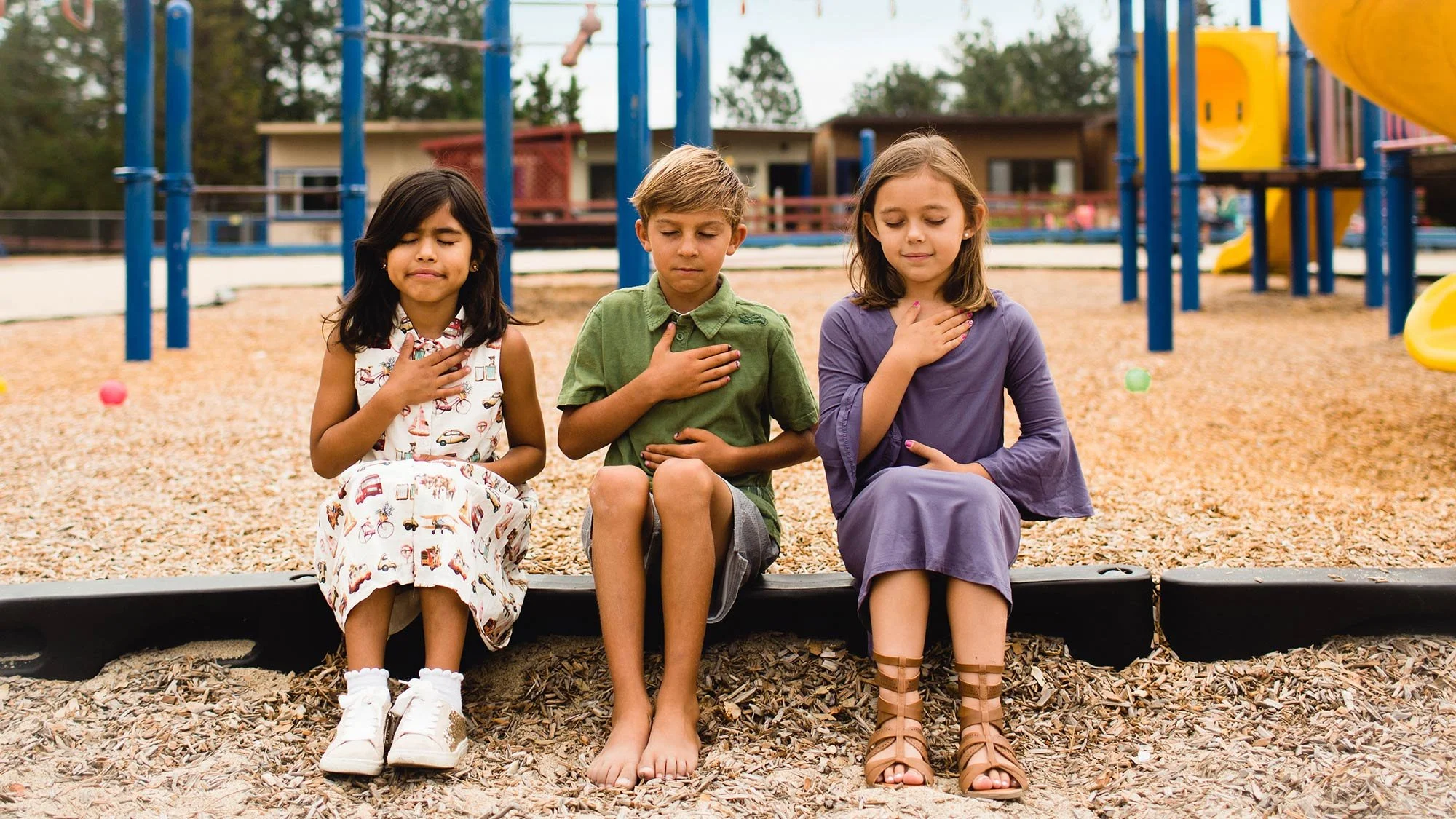
Mindfulness-based child therapy interrupts this cycle. Instead of asking, “Why are you acting like this?” therapists ask, “What is your body telling you?” This shift helps children move from shame to awareness.
Mindfulness-Based Grounding Skills Taught in Child Therapy
Child therapy teaches practical, body-based tools children can use during overwhelming moments.
1. Sensory Anchoring
Children focus on one calming sensory input, such as:
Holding ice
Touching textured objects
Listening to soft sounds
Watching slow movements
This helps organize sensory chaos.
2. Body Awareness
Children learn to notice early overload signals:
Tight chest
Hot face
Clenched fists
Fast breathing
Awareness allows intervention before escalation.
3. Breath Regulation
Breathing practices help slow the stress response:
Balloon breathing
Square breathing
“Smell the flower, blow the candle”
Breath is one of the fastest ways to regulate the nervous system.
4. Safe Space Visualization
Children develop internal calming imagery, such as:
A forest
A quiet room
A beach
A cozy nest
This becomes a portable grounding refuge.
Support for Your Child Starts Here
Healing Voices Psychotherapy offers mindfulness-based child therapy to help children manage sensory overload, anxiety, and emotional overwhelm. Our approach focuses on regulation, safety, and helping children build lifelong coping skills.
Book a free 15-minute consultation to learn how child therapy can support your child’s emotional well-being