My Child Won’t Talk About What’s Wrong: Child Therapy in Barrie
Have you ever asked your child what’s wrong, only to hear, “Nothing,” or receive no answer at all? It can be heartbreaking to watch your child struggle while feeling unsure of how to help. When children stay quiet, it doesn’t always mean they have nothing to say.
Many children find it difficult to put big emotions into words. Whether they’re feeling anxious, overwhelmed, embarrassed, or confused, they may not yet have the emotional language to explain what they’re experiencing. If you’re considering Child Therapy in Barrie, understanding why children sometimes withdraw is the first step toward helping them feel safe enough to open up.
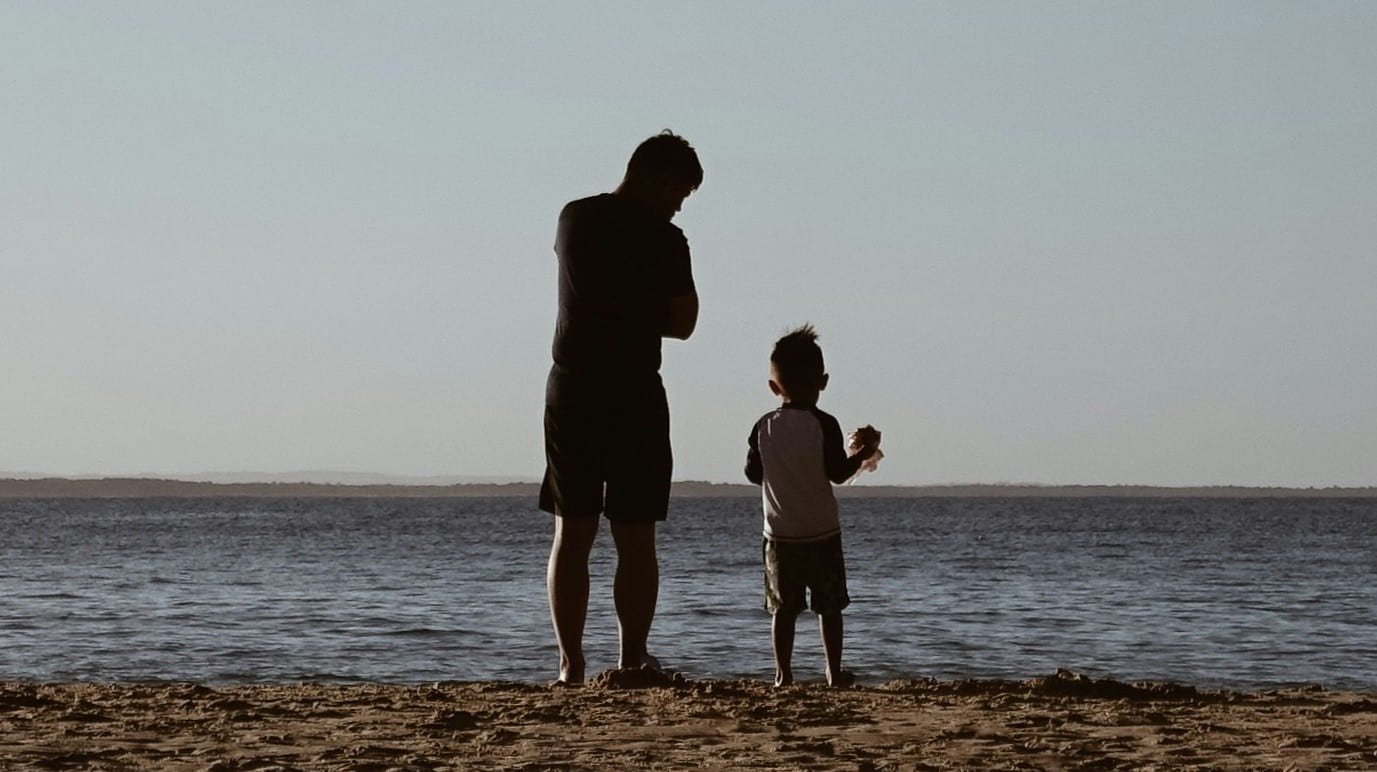
Why Won’t My Child Talk?
Children communicate differently than adults. While some children openly share their feelings, others express emotions through behaviour instead of words.
School stress, friendship challenges, bullying, family changes, anxiety, grief, or low self-esteem can all make it difficult for a child to talk about what they’re experiencing. Some children also worry about upsetting their parents or fear they’ll get into trouble if they share how they truly feel.
Rather than seeing silence as defiance, it can be helpful to view it as communication. Children often need emotional safety before they can find the words to describe their feelings.
Signs Your Child May Be Struggling
Even when children don’t talk about their emotions, their behaviour may provide important clues.
Some signs your child may be struggling include:
Becoming unusually quiet or withdrawn.
Increased irritability or emotional outbursts.
Frequent headaches or stomach aches without a medical cause.
Difficulty sleeping or frequent nightmares.
Avoiding school or activities they previously enjoyed.
Changes in friendships or academic performance.
These behaviours don’t automatically mean something is seriously wrong, but they may indicate that your child could benefit from additional emotional support.
How Child Therapy in Barrie Can Help
Children often communicate best through play, creativity, and shared experiences rather than direct conversation. Child Therapy in Barrie provides a safe, supportive environment where children can express themselves in ways that feel natural to them.
Depending on your child’s age and needs, therapy may include play therapy, art-based activities, storytelling, emotion identification, mindfulness, and other evidence-based approaches that help children build emotional awareness and healthy coping skills.
Therapy also helps children develop emotional regulation, improve confidence, strengthen communication skills, and learn healthy ways to manage difficult emotions.
Supporting Your Child at Home
While you can’t force your child to open up, there are many ways you can encourage emotional connection.
You can help by:
Spending one-on-one time together without pressuring them to talk.
Commenting on what you notice instead of asking repeated questions.
Validating emotions without immediately trying to solve the problem.
Encouraging expression through play, drawing, writing, or creative activities.
Remaining calm and available whenever they’re ready to share.
Small moments of connection often create the greatest sense of emotional safety. When children feel accepted without pressure, they are more likely to communicate over time.
When to Seek Professional Support
If your child has become increasingly withdrawn, shows ongoing changes in mood or behaviour, appears anxious, or struggles emotionally for several weeks, professional support may be beneficial.
Early intervention helps children develop healthy coping strategies before emotional challenges become more overwhelming. Therapy can also provide parents with guidance on strengthening communication and understanding their child’s emotional needs.
Helping Your Child Feel Heard
Watching your child struggle without knowing what they’re thinking or feeling can leave parents feeling helpless. At Healing Voices Psychotherapy, we understand that every child communicates differently. Child Therapy in Barrie offers a compassionate, developmentally appropriate space where children can safely explore their emotions while parents receive practical support along the way. Every child deserves to feel understood, even before they have the words to explain what they’re experiencing.
If you’re interested in learning more about supporting your child’s emotional well-being, you may also enjoy reading our blog, “How Your Child’s Anxiety Differs from Adult Anxiety: Recognizing the Signs.” This resource offers additional parenting support and practical strategies for strengthening emotional connection at home.
For more information about children’s mental health, emotional development, and family support, visit Centre for Addiction and Mental Health (CAMH).
You don’t have to navigate this alone.
If your child is finding it difficult to express their emotions, Child Therapy in Barrie can help them build confidence, emotional awareness, and healthy coping skills while strengthening your family’s connection.
Book your free 15-minute consultation today and learn how Healing Voices Psychotherapy can support your child and family.